Kultur & Gesellschaft
It's Been a Minute Folgen
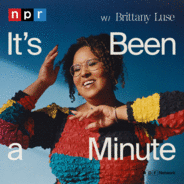
Want in on a secret? Your likes and dislikes didn't develop by accident. There are subtle and not-so-subtle forces around you, shaping what you think, how you act, and even who you think you are. Brittany Luse is here to break the spell and help you feel wiser in a society that makes things blurry.THE BEST POP CULTURE PODCAST AWARD WINNER AT THE 2025 SIGNAL AWARDSIt’s Been A Minute with Brittany Luse is the best podcast for understanding what’s going on in culture right now, and helps you consume it smarter. From how politics influences pop culture to how identity influences tech or health, Brittany makes the picture clearer for you every Monday, Wednesday, and Friday.It’s Been A Minute reaches millions of people every week. Join the community and conversation today.If you can't get enough, try It's Been a Minute Plus. Your subscription supports the show and unlocks a sponsor-free feed. Learn more at plus.npr.org/itsbeenaminute
Folgen von It's Been a Minute
-
Folge vom 24.06.2026Boundaries, bodies, and better sexWhat does it mean to feel safe during sex these days?From feeling comfortable with your partner to having access to public health interventions and medication, "safety" comes up a lot in sex. And having the tools you need to feel confident in your own sexual health is an essential part of the pursuit of pleasure. Brittany Luse is joined by Dr. Leisha McKinley-Beach, founder and CEO of the Black Public Health Academy, and Dr. Jasmine Abrams, a research scientist at the Yale School of Public Health, to give us a booster on how to live our best sex lives.Want more on the culture of sex and dating? Check out these episodes:The truth about men on the 'down low'Why can't we be normal about polyamory?Support Public Media. Join NPR Plus.Follow Brittany on Instagram: @bmluseFor handpicked podcast recommendations every week, subscribe to NPR’s Pod Club newsletter at npr.org/podclub.See pcm.adswizz.com for information about our collection and use of personal data for sponsorship and to manage your podcast sponsorship preferences.NPR Privacy Policy
-
Folge vom 23.06.2026What do we owe our parents?Do we owe our parents? Even in the best of scenarios, caring for an aging parent can be difficult and intense. But for those who may have had a complicated, fraught, or even abusive parent-child relationship, caring for the person who harmed them can be triggering. So, what options are there?To answer that question Brittany is joined by Washington Post advice columnist, Carolyn Hax, and Dr. Alexandra Solomon, a licensed clinical psychologist in private practice, adjunct professor at Northwestern University, and the author of Love Every Day to talk through the complexities of managing - or completely opting out of - caring for your parents. Support Public Media. Join NPR Plus.Follow Brittany on Instagram: @bmluseFor handpicked podcast recommendations every week, subscribe to NPR’s Pod Club newsletter at npr.org/podclub.See pcm.adswizz.com for information about our collection and use of personal data for sponsorship and to manage your podcast sponsorship preferences.NPR Privacy Policy
-
Folge vom 22.06.2026So you've changed. Will it stick?What makes us change – or not change?Change happens to all of us – but what actually happens to us when we change, and how does that change stick? Sometimes there isn't a clear answer, but Benoit Denizet-Lewis, associate professor at Emerson College and author of the book You've Changed: the Promise and Price of Self Transformation, tried to find out what makes change happen. He followed bullies who became Buddhists, gay atheists who became straight evangelicals, political party switchers, people in personality disorder therapy, and prisoners seeking parole.Brittany is joined by Benoit to find out how change happens to us – and how we understand personal transformation in our culture.(00:00) What makes change happen to us?(02:29) When your friend changes - and you don't recognize them anymore(05:47) Can we intentionally change our core personalities?(11:38) How social media shapes our understanding of change(18:17) Parole hearings and the performance of change in the prison system(21:11) Should we spend time trying to change ourselves, or trying to change the world?For more episodes about how we change or how to make it happen, check out:This is your summer of self-loveFree will and the cult of "high agency"How to survive a millennial midlife crisisSupport Public Media. Join NPR Plus.Follow Brittany on Instagram: @bmluseFor handpicked podcast recommendations every week, subscribe to NPR’s Pod Club newsletter at npr.org/podclub.See pcm.adswizz.com for information about our collection and use of personal data for sponsorship and to manage your podcast sponsorship preferences.NPR Privacy Policy
-
Folge vom 19.06.2026What does freedom actually look like?What does freedom mean today?Happy Juneteenth! For those not in the know, today commemorates when U.S. federal troops arrived in Galveston, Texas in 1865 to take control of the state and ensure that all enslaved people were freed – a full two and a half years after the signing of the Emancipation Proclamation. Since then, Juneteenth has been celebrated all over the country, especially in Texas and across the South, where Juneteenth parades, cookouts, festivals and pageants happen every year. Two weeks from now, the country will celebrate the Fourth of July – and its 250th anniversary. For many Black Americans, there’s always been a tension between these holidays – and their two different ideals for what it means to be free. As voting rights protections are rolled back and Black history is being scrubbed from government websites, what does freedom look like for Black Americans today?To get into it, Brittany is joined by Dr. Kellie Carter Jackson, chair of Africana Studies at Wellesley College.For more episodes about the quality of Black life in America, check out:Jesse Jackson & the end of the civil rights superheroIs the economy slowing? Ask Black women.What to expect when you're expecting racismSupport Public Media. Join NPR Plus.Follow Brittany on Instagram: @bmluseFor handpicked podcast recommendations every week, subscribe to NPR’s Pod Club newsletter at npr.org/podclub.See pcm.adswizz.com for information about our collection and use of personal data for sponsorship and to manage your podcast sponsorship preferences.NPR Privacy Policy
